



A nutrient is a chemical compound that the body needs to carry out its functions.
Our food contains over 40 nutrients. There are six categories of nutrients; carbohydrates, fats, minerals, proteins, vitamins, and water.
A nutrient is classed as essential if :
1) we have to have it to function, and
2) we can’t make it from something else.
There are essential proteins, there are essential fats, there are essential vitamins, there are essential minerals . . . and water is critically essential for life itself. There are NO essential carbohydrates.
Carbohydrates
Carbohydrates are the nutrients that the body breaks down to derive glucose . . . the body's main source of energy. Simple carbohydrates include natural and refined sugars.
Natural sugars are found in many foods like fruits, vegetables, and milk. Whole foods with natural sugars also have other important nutrients.
Refined sugars are processed. Processed sugars and added sugars provide nothing but calories.
Complex carbohydrates are starches, such as pasta, grains, cereals, and legumes.
Legumes are seeds and pods of certain plants like beans, lentils, and cowpeas. Foods that are made of complex carbohydrates also possess many other nutrients, vitamins and minerals that your body needs.
The body breaks down simple and complex carbohydrates into a usable energy source known as glucose. Glucose provides the body with the energy source it needs to function properly.
Fiber
Fiber is a form of complex carbohydrate that does not provide energy.
There are two types of fiber:
- Soluble fiber that dissolves in water.
- Insoluble fiber that absorbs water.
Fiber assists the body’s digestive system and waste elimination system functions. Since fiber is not easily digested, it passes through the body and helps remove waste.
Insoluble fiber is found in the outer coating of whole grains. Soluble fiber is found in foods such as oat bran and grains. Soluble fiber has been linked with the prevention of heart disease and some cancers.
Fats
Fat is critical in regulating bodily functions and helping carry some vitamins through the system. It is the body's source of stored energy and acts as a cushion for internal organs.
Fat is "where the flavor is" in foods. High fat foods just simply taste good.
Historically, the popular types of cooking fat were lard and shortening, which are 100% fat. Butter and margarine are about 80% fat. NOTE: Some people say that there is evidence that a diet higher than 30% in fat and cholesterol can put you at risk for heart disease and cancer.
Many fats like margarine and shortening are processed through a "hydrogenation" process. During hydrogenation, hydrogen is added under pressure to polyunsaturated fats, like soybean oil. This "hydrogenation" changes the liquid oil into a solid fat. Stick margarine and vegetable shortening are examples of hydrogenated fat. An unsaturated fat that goes through the "hydrogenation" process becomes a trans fatty acid, or trans fat.
Cholesterol
Cholesterol is found in all body cells and in all animal foods, like meat, egg yolks, and dairy products.
The body makes cholesterol to produce cell membranes, hormones, vitamin D, and bile acids to help digest fats. Some cholesterol circulates through the bloodstream . . . we call these a lipoprotein.
There are two types of lipoproteins. They are low-density lipoproteins (LDL) and high-density lipoproteins (HDL).
Too much LDL, or "bad cholesterol", is said to contribute to cardiovascular (heart-related) problems. LDL can build up on artery walls. This buildup slows or prevents the flow of blood to the heart and other vital organs, eventually causing blocked arteries and vessels. Higher HDL, or "good cholesterol", helps lower the amount of total cholesterol in the blood.
Saturated Fats
Guidelines released by many medical organizations, including the World Health Organization, have advocated for reduction in the intake of saturated fat to promote health and reduce the risk from cardiovascular diseases. Many review articles also recommend a diet low in saturated fat in order to lower risks of cardiovascular diseases diabetes, or death.
A fat that is solid at room temperature is called a saturated fat. A saturated fat is a type of fat in which the fatty acid chains have all single bonds. Glyceride fats without any carbon chain double bonds are called saturated because they are "saturated with" hydrogen atoms, having no double bonds available to react with more hydrogen.
These fats generally increase the amount of cholesterol in the blood. Saturated fats have been linked to an increased risk of heart disease and other cardiovascular problems. Studies show that trans fatty acids may have the same, or even worse, effect on cholesterol as saturated fats.
Most animal fats are saturated. The fats of plants and fish are generally unsaturated.
Saturated fats can be found in lard, butter, whole-milk products, the visible fat on meat, and tropical (coconut, palm, and palm kernel) oils.
Monounsaturated Fats
Assuming that unsaturated fatty acids (UFAs) are generally healthier than saturated ones (SFAs), another question that has gained attention in recent decades is the risks and benefits of monounsaturated fatty acids (MUFAs, with a single double bond) versus polyunsaturated fatty acids (PUFAs, with two or more double bonds).
Unsaturated fats are considered healthier than saturated fats because they usually don't raise cholesterol levels.
The most common fatty acids in human diet are unsaturated or mono-unsaturated. Monounsaturated fats are found in animal flesh such as red meat, whole milk products, nuts, and high fat fruits such as olives and avocados.
- Olive oil is about 75% monounsaturated fat.
- Canola oil and cashews are both about 58% monounsaturated fat.
- Tallow (beef fat) is about 50% monounsaturated fat.
- Lard is about 40% monounsaturated fat.
Other sources include hazelnut, avocado oil, macadamia nut oil, grapeseed oil, peanut oil, sesame oil, popcorn, whole grain wheat, cereal, oatmeal, almond oil, hemp oil, and tea-oil camellia
Foods that contain monounsaturated fat can help lower the total cholesterol in the bloodstream and lower the risk of cardiovascular (heart-related) disease.
Polyunsaturated Fats
Assuming that unsaturated fatty acids (UFAs) are generally healthier than saturated ones (SFAs), another question that has gained attention in recent decades is the risks and benefits of monounsaturated fatty acids (MUFAs, with a single double bond) versus polyunsaturated fatty acids (PUFAs, with two or more double bonds).
Polyunsaturated fats are also usually liquid at room temperature.
Polyunsaturated fatty acids can be found mostly in nuts, seeds, fish, seed oils, and oysters.
Some of these are highly inflammatory in the body and should be avoided, choosing healthier, less inflammatory monounsaturated oils for cooking.
Minerals
Minerals are essential for the maintenance of bones and teeth. They also regulate body processes like nerve function.
Minerals are needed in very small amounts. If a body is not ingesting enough of a particular mineral, a state called a "mineral deficiency" will result.
Minerals are divided into two categories: major and trace.
The body needs more of the major minerals than it does of the trace minerals. However, both types are equally important for good health.
Major Minerals
Major minerals help the body to build strong bones and teeth, and maintain blood pressure.
Calcium
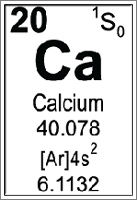
Calcium is an essential mineral element that the body needs in large quantities. Calcium is the most abundant metal and the fifth-most abundant element in the human body. It is absolutely essential to build bone, and it supports synthesis and function of the blood cells.
Calcium ions (Ca2+) act as electrolytes and are critical to the health of the muscular, circulatory, and digestive systems. They play a essential role in the physiological/biochemical processes of cells; in signal transduction pathways, they act as a second messenger; they are required in neurotransmitter release from neurons; they are necessary as physiological/biochemical elements of contraction of all muscle cell types; they are cofactors in many enzymes.
Calcium ions outside cells are important for maintaining the potential difference across excitable cell membranes, protein synthesis, and bone formation.
- Essential for muscle contraction and proper muscle function
- Essential in assisting blood clotting
- Helps to regulate the nervous system and other body processes
- Used to build and maintain bones and teeth
It can be acquired from dairy products like yogurt and cheese; dry beans; dark green, leafy vegetables like kale; turnips; canned sardines and salmon; fortified juices and cereals
Magnesium
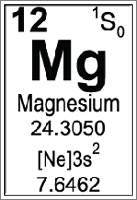
An adult body has about 25 grams of magnesium in it, with 60% in the skeleton, 39% intracellular (20% in skeletal muscle), and 1% extracellular.
The important interaction between phosphate and magnesium ions makes magnesium essential to the basic nucleic acid chemistry of all cells of all known living organisms.
More than 300 enzymes require magnesium ions for their catalytic action, including all enzymes using or synthesizing adenosine triphosphate (ATP) and those that use other nucleotides to synthesize DNA and RNA. The ATP molecule is normally found in a chelate with a magnesium ion.
- Used in conjunction with other minerals to build and maintain bones
- Critically essential for the nervous system and proper muscle function
It can be acquired from spices; nuts; seeds; whole grains; dry legumes; dark green, leafy vegetables; spinach; fish; shellfish; and beverages rich in magnesium like coffee, tea, and cocoa.
Phosphorus
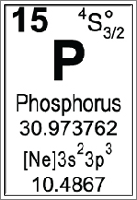
In 2013, astronomers detected phosphorus in Cassiopeia A, which confirmed that phosphorust is produced in supernovae as a byproduct of supernova nucleosynthesis.
An average adult human contains about 0.7 kg of phosphorus, about 85–90% in bones and teeth in the form of apatite, and the remainder in soft tissues and extracellular fluids (~1%). Humbling, huh? 0.7 kg of your body came from a supernova. Stardust. Inorganic phosphorus in the form of the phosphate PO3−4 is required for all known forms of life.
Phosphorus plays a major role in the structural framework of DNA and RNA. Living cells use phosphate to transport cellular energy with adenosine triphosphate (ATP), necessary for every cellular process that uses energy. ATP is also important for phosphorylation, a key regulatory event in cells. Calcium phosphate salts assist in stiffening bones.
Phospholipids are the main structural components of all cellular membranes. Every living cell is encased in a membrane that separates it from its surroundings. Cellular membranes are composed of a phospholipid matrix and proteins
- Essential to proper functioning of the body's conversion of nutrients for energy
- Assists other elemental minerals to build and maintain bones and teeth
It can be acquired from the same sources providing protein, although proteins do not contain phosporus. For example; dairy products; nuts; dry beans; whole grains; meat, poultry, fish; egg yolks
As a rule, if a person ingests sufficient protein and calcium, enough phosphorus is probably being consumed.
Potassium
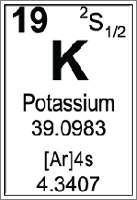
Potassium is the eighth or ninth most common element by mass (0.2%) in the human body. An average adult human body contains a total of about 120 g of potassium. The human body has about as much potassium as it has sulfur and chlorine. Only calcium and phosphorus are more abundant (with the exception of the CHON elements).
Potassium ions are present in a wide variety of proteins and enzymes. Potassium ions are vital for the functioning of all living cells. The transfer of potassium ions across nerve cell membranes is necessary for normal nerve transmission; potassium deficiency and excess can each result in numerous signs and symptoms, including an abnormal heart rhythm and various electrocardiographic abnormalities.
- Essential for the body's regulation of blood pressure and heartbeat
- Essential for the regulation of the fluid balance in the body
- Critically essential for the nervous system
It can be acquired from fruits like bananas, oranges, and cantaloupes; meat, poultry, fish; dry beans; vegetables; and dairy products
Sodium
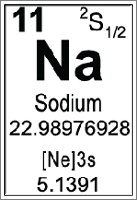
Sodium is the sixth most abundant element in the Earth's crust and exists in numerous minerals.
The free metal does not occur in nature, and must be prepared from compounds. Many sodium salts are highly water-soluble, thus sodium ions have been leached by the action of water from the Earth's minerals over eons, making sodium and chlorine the most common dissolved elements by weight in the earth's oceans.
Sodium is an essential element for all animals and some plants.
A process known as the "sodium-potassium pump" allows living human cells to "pump" three sodium ions out of the cell in exchange for two potassium ions pumped in; comparing ion concentrations across the cell membrane, inside to outside, potassium measures about 40:1, and sodium, about 1:10. In nerve cells, the electrical charge across the cell membrane enables transmission of the nerve impulse - an action potential - when the charge is dissipated; sodium plays a key role in that process.
- Essential for the regulation of blood volume, blood pressure, osmotic equilibrium and pH
- Essential for the regulation of the fluid balance in the body
Sodium chloride (table salt) is the principal source of sodium in the diet, and is used as seasoning and preservative in such commodities as pickled preserves and jerky; for Americans, most sodium chloride comes from processed foods.
Other sources of sodium are its natural occurrence in food, like monosodium glutamate (MSG) and baking soda (sodium bicarbonate), and food additives like sodium nitrite, sodium saccharin, and sodium benzoate.
Trace Minerals
Trace minerals assist the body with functions like conversion and use of energy and healing injuries
Chloride
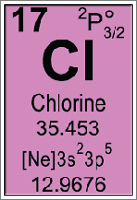
Chloride is the anion (negatively charged ion [Cl−]) of the element chlorine.
It is formed when the element chlorine (a halogen) gains an electron, or when a compound like hydrogen chloride is dissolved in water. Chloride salts such as sodium chloride (table salt) are often extremely soluble in water.
In nature, chloride is primarily found in seawater, with smaller quantities, though at higher concentrations, occurring in some inland seas and in subterranean brine wells.
Chloride plays a major physiological role that includes assisting in the regulation of osmotic pressure, electrolyte balance, and acid-base homeostasis within the body. Chloride is in all of the fluids in the body. It is an essential electrolyte, and plays a key role in maintaining cell homeostasis and neuron function.
- It assists sodium to balance the body's fluids.
- It assists neural transmittal
It can be acquired from table salt and foods that contain salt; soy sauce; processed meats; milk and dairy products.
Copper
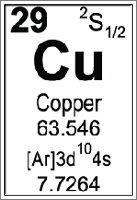
Copper is essential to all living organisms as a trace dietary mineral because it is a key constituent of the respiratory enzyme complex cytochrome c oxidase.
In molluscs and crustaceans, copper is a constituent of the blood pigment hemocyanin, replaced by the iron-complexed hemoglobin in fish and other vertebrates.
In humans, copper is found mainly in the liver, muscle, and bone. The average adult human body contains between 0.5 and 1.0 mg of copper per pound of body weight.
Copper is absorbed during digestion, then transported to the liver bound to albumin. After processing in the liver, the copper is distributed to other tissues in a second phase, which involves the protein ceruloplasmin, carrying the majority of copper in blood. Ceruloplasmin also carries the copper that is excreted in milk, and is particularly well-absorbed as a copper source.
- Assists in uptake of iron in the body
- Assists in the building red blood cells
- Maintains the nervous system, bones, and blood vessels
It can be acquired from meat, fish; shellfish; milk; whole grains; nuts; seeds; dry beans
Fluoride
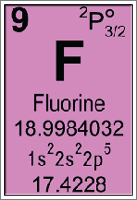 Fluoride is the simplest fluorine anion. In terms of charge and size, the fluoride ion resembles the hydroxide ion. Fluoride ions occur on Earth in several minerals, particularly fluorite, but are present only in trace quantities in bodies of water in nature.
Fluorine, in the form of fluoride, is considered to be a micronutrient for human health. It is necessary to prevent dental cavities, and to promote healthy bone growth.
The tea plant (Camellia sinensis L.) is a known accumulator of fluorine compounds, released upon forming infusions such as the common beverage. The fluorine compounds decompose into products including fluoride ions. Fluoride is the most bioavailable form of fluorine, and as such, tea is potentially a vehicle for fluoride dosing.
- Strengthens teeth and prevents decay
It can be acquired from fish; shellfish; tea.
Iodine
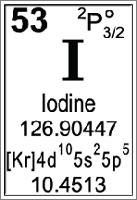 Iodine is an essential element for life and, with an atomic number of 53, it is the heaviest element commonly needed by living organisms. A deficiency of iodine causes the disease known as simple goitre.
It is required for the synthesis of the growth-regulating thyroid hormones thyroxine and triiodothyronine (T4 and T3 respectively, named after their number of iodine atoms). The major form of thyroid hormone in the blood is thyroxine (T4), which has a longer half-life than T3.
In humans, the ratio of T4 to T3 released into the blood is between 14:1 and 20:1. T4 is converted to the active T3 (three to four times more potent than T4) within cells by deiodinases (5'-iodinase). These are further processed by decarboxylation and deiodination to produce iodothyronamine (T1a) and thyronamine (T0a'). All three isoforms of the deiodinases are selenium-containing enzymes; thus dietary selenium is essential for T3 production.
70% of all iodine in the body is found in tissues such as mammary glands, eyes, gastric mucosa, fetal thymus, cerebro-spinal fluid and choroid plexus, arterial walls, the cervix, and salivary glands. In the cells of those tissues, iodide enters directly by sodium-iodide symporter (NIS). The action of iodine in mammary tissue is related to fetal and neonatal development, but in the other tissues, it is (at least) partially unknown.
- Vital for core function and maintenance of cellular tissues
It can be acquired from saltwater fish; shellfish; seaweeds (such as kelp); dairy products and eggs as long as the animals received enough iodine; plants grown on iodine-rich soil; and iodized salt.
Iron
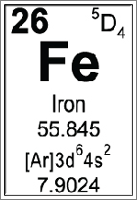
Iron, by mass, is the most common element on Earth, tipping the scale just ahead of oxygen (32.1% and 30.1%, respectively) and forming much of Earth's outer and inner core. It is the fourth most common element in the Earth's crust.
The body of an average adult human contains about 4 grams (0.005% body weight) of iron, mostly in hemoglobin and myoglobin. These two proteins play critically essential roles in metabolism . . . respectively oxygen transport by blood, and oxygen storage in muscles. Iron is also the metal at the active site of many important redox enzymes dealing with cellular respiration, and oxidation and reduction in both plants and animals. A minimal intake of iron through diet is essential to maintain necessary level.
- Absolutely essential for human life (we are carbon/iron based)
- Critically essential for cells to use oxygen
- Critically essential to move oxygen throughout the cells via the blood
Iron is pervasive, but particularly rich sources of dietary iron include red meat, oysters, lentils, beans, poultry, fish, dark green leaf vegetables, watercress, tofu, chickpeas, black-eyed peas, and blackstrap molasses.
Iron can also be ingested via acidic food preparation in cast iron cookware. This leeches minimal amounts of iron from the cookware, but using it regularly in cooking adds elemental iron to the diet.
Bread and breakfast cereals are sometimes specifically fortified with iron.
Selenium
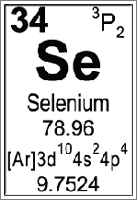
Selenium is a trace element that is absolutely necessary for cellular function in many animals, including humans. Both elemental selenium and (especially) selenium salts are toxic in even small doses, causing selenosis.
Selenium is a component of the unusual amino acids selenocysteine and selenomethionine.
In humans, selenium is a trace element nutrient that functions as cofactor for reduction of antioxidant enzymes, such as glutathione peroxidases and certain forms of thioredoxin reductase found in animals and some plants (this enzyme occurs in all living organisms, but not all forms of it in plants require selenium).
The thyroid gland and every cell that uses thyroid hormone use selenium.
Selenium is a cofactor for three of the four known types of thyroid hormone deiodinases, which activate and then deactivate various thyroid hormones and their metabolites; the iodothyronine deiodinases are the subfamily of deiodinase enzymes that use selenium as the otherwise rare amino acid selenocysteine. (Only the deiodinase iodotyrosine deiodinase, which works on the last breakdown products of thyroid hormone, does not use selenium.)
It can be acquired from meat, nuts, cereals and mushrooms. Brazil nuts are the richest dietary source (though this is soil-dependent, since the Brazil nut does not require high levels of the element for its own needs).
Zinc
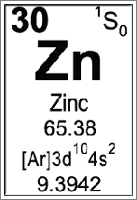
Zinc is an essential trace elemental mineral for humans, other animals, plants, and for microorganisms; and is necessary for pre- and post-natal development.
It is the second most abundant trace metal in humans after iron and it is the only metal which appears in all enzyme classes. Zinc is required for the function of over 300 enzymes and 1000 transcription factors, and is stored and transferred in metallothioneins.
In proteins, zinc ions are often coordinated to the amino acid side chains of aspartic acid, glutamic acid, cysteine and histidine.
Between 2 and 4 grams of zinc are distributed throughout the average adult human body. Most zinc is in the brain, muscle, bones, kidney, and liver, with the highest concentrations in the prostate and parts of the eye.
It can be acquired from animal products such as meat; fish; shellfish; poultry; eggs; dairy products; whole grains; beans and legumes; nuts; seeds; and blackcurrant.
The concentration of zinc in plants varies with the level in the soil. With adequate zinc in the soil, the food plants that contain the most zinc are wheat (germ and bran) and various seeds, including sesame, poppy, alfalfa, celery, and mustard.
Proteins
Proteins are nutrients that build, maintain, and repair the tissues of the body. Proteins are essential for healthy muscle, skin, bones, eyes, and hair. Proteins also are important in the body's immune system.
As they are digested, proteins are reduced to smaller compounds that the body combines in various ways to produce "complete proteins" called amino acids. Of the 22 amino acids, some can be created by the body, and others must be consumed as food.
Fish, meats, poultry, eggs, milk and milk products, provide all of the essential amino acids.
Any protein source that provides all of the amino acids is called a "complete protein." Any protein source that does not provide all of the amino acids is called am "incomplete protein." Some combinations of incomplete proteins can provide all of the essential amino acids. These combinations include combinations of certain nuts, or certain dry legumes and grains.
Vitamins
A vitamin is a substance that helps regulate, or control, many bodily functions.
Vitamins are grouped by how they function with a letter. For example, there are many different types of B vitamins. Vitamins also help other nutrients to do their jobs. Vitamins are divided into two types: water-soluble and fat-soluble.
Both types are vital to have in a diet for normal growth and bodily function.
Water-Soluble Vitamins
Water-soluble vitamins dissolve in water.
They must be eaten daily because the body doesn't store any excess, and expels the excess in waste fluids.
Water-soluble vitamins include vitamin C and all the B vitamins.
Thiamine (Vitamin B1)

Thiamine, also known as vitamin B1, is one of the B vitamins and is an essential micronutrient that cannot be made in the body. Unlike folate and vitamin B6, which occur in several chemically related forms known as vitamers, thiamine is only one chemical compound.
It is soluble in water, methanol and glycerol, but practically insoluble in less polar organic solvents. Thiamine is usually supplied as a chloride salt and is degraded by exposure to heat.
Within the body, the best-characterized form is thiamine pyrophosphate (TPP), also called thiamine diphosphate, a coenzyme in the catabolism of sugars and amino acids.
It is found in foods like whole grains, legumes, and some meats and fish, and is commercially synthesized to be a dietary supplement or medication.
Grain processing removes much of the thiamine content, so in many countries cereals and flours are enriched with thiamine.
- • Helps use carbohydrates for energy
- • Promotes normal appetites
It can be acquired from dry beans; pork and other meats; whole and fortified grains
Riboflavin (Vitamin B2)

Riboflavin, also known as vitamin B2, is a vitamin that is essential to the formation of two major coenzymes, flavin mononucleotide and flavin adenine dinucleotide.
These coenzymes are involved in energy metabolism, cellular respiration, and antibody production, as well as normal growth and development; and are also required for the metabolism of niacin, vitamin B6, and folate. Riboflavin is essential for the metabolism of carbohydrates, protein and fats.
Riboflavin is involved in maintaining normal circulating levels of homocysteine; in riboflavin deficiency, homocysteine levels increase, elevating the risk of cardiovascular diseases. Riboflavin is also often prescribed to treat corneal thinning, and taken orally, may reduce the incidence of migraine headaches in adults.
It can be acquired from dairy products; meat, poultry, fish; eggs; whole and fortified grains
Niacin (Vitamin B3)
Niacin, also known as vitamin B3, is a vitamin family that includes three forms or vitamers: nicotinamide (niacinamide), niacin (nicotinic acid), and nicotinamide riboside. All three forms of vitamin B3 are converted within the body to nicotinamide adenine dinucleotide (NAD). NAD is required for human life and people are unable to make it within their bodies without either vitamin B3 or tryptophan.
Nicotinamide riboside was identified as a form of vitamin B3 in 2004.
Niacin (the nutrient) can be manufactured by plants and animals from the amino acid tryptophan. Niacin is obtained in the diet from a variety of whole and processed foods, with highest contents in fortified packaged foods, meat, poultry, red fish such as tuna and salmon, lesser amounts in nuts, legumes and seeds.
In general, animal-sourced foods provide about 5–10 mg niacin per serving, although dairy foods and eggs have little.
Some plant-sourced foods such as nuts, legumes and grains provide about 2–5 mg niacin per serving, although in some grain products this naturally present niacin is largely bound to polysaccharides and glycopeptides, making it only about 30% bioavailable.
- Assists in maintenance of healthy skin and nervous system
- Assists normal digestion
- Assists in the conversion of nutrients for energy
It can be acquired from meat, poultry, fish; liver; shellfish; dry beans; nuts; whole and fortified grains
Vitamin B6

Vitamin B6 is one of the B vitamins, and thus is an essential nutrient. Vitamin B6 is involved in many aspects of macronutrient metabolism, neurotransmitter synthesis, histamine synthesis, hemoglobin synthesis and function, and gene expression.
Animals cannot synthesize any of the various forms of the vitamin, and therefore must obtain it from their diet, either of plants, or other animals. There is some absorption of the vitamin produced by intestinal bacteria, but this is not sufficient to meet needs.
For adult humans, recommendations from various countries' food regulatory agencies are in the range of 1.0 to 2.0 mg per day. These same agencies also recognize ill effects from intakes that are too high, and so set safe upper limits, ranging from as low as 25 mg per day to as high as 100 mg per day depending on the country.
- Assists in maintenance of red blood cells
- Necessary for the use of carbohydrates and proteins
- Essential for nervous system health
It can be acquired from meat, poultry, fish, liver, dairy, eggs, and some grains, fruits, and vegitables; mollusks and crustaceans also contain vitamin B6, but at lower levels. There is enough in a wide variety of plant foods so that a vegetarian or vegan diet does not put consumers at risk for deficiency.
Vitamin B12
 Vitamin B12, also known as cobalamin, is a one of eight water-soluble B vitamins involved in metabolism. Vitamin B12 is the most chemically complex of all vitamins, and for humans, the only vitamin that must be sourced from animal-derived foods or from supplements. It is required by animals, which use it as a cofactor in DNA synthesis, in both fatty acid and amino acid metabolism. It is important in the normal functioning of the nervous system via its role in the synthesis of myelin, and in the circulatory system in the maturation of red blood cells in the bone marrow.
- Essential for maintenance of a healthy nervous system
- Assists in building and maintaining healthy red blood cells
- Essential in the conversion of carbohydrates, fats, and proteins
Most people in developed countries get enough B12 from the consumption of meat or foods with animal sources, but supplements and medications are readily available to treat and prevent B12 deficiency.
It can be acquired from meat, poultry, fish; clams; liver; eggs; and dairy products. Many breakfast cereals are fortified with the B12.
Folate (Folic Acid)

Folate, also known as vitamin B9 and folacin, is one of the B vitamins. Folate is required for the body to make DNA and RNA and metabolise amino acids necessary for cell division. Folate is especially important during periods of frequent cell division and growth, such as infancy and pregnancy.
Folate deficiency hinders DNA synthesis and cell division, affecting hematopoietic cells and neoplasms the most because of their greater frequency of cell division. RNA transcription and subsequent protein synthesis are less affected by folate deficiency, as the mRNA can be recycled and used again (as opposed to DNA synthesis, where a new genomic copy must be created).
A complex interaction occurs between folic acid, vitamin B12, and iron. A deficiency of folic acid or vitamin B12 may mask the deficiency of iron; so when taken as dietary supplements, the three need to be in balance.
As humans cannot make folate, it is required in the diet, making it an essential nutrient.
It can be acquired from dark green, leafy vegetables; dry beans; orange juice; seeds; whole and fortified grains; fruits
Vitamin C (Ascorbic Acid)

Vitamin C (also known as ascorbic acid and ascorbate) is a water-soluble vitamin that encompasses several vitamers that have vitamin C activity in animals.
Vitamin C is an essential nutrient involved in the repair of tissue, the formation of collagen, and the enzymatic production of certain neurotransmitters. It is required for the functioning of several enzymes and is important for immune system function, as well as functioning as an antioxidant (a reducing agent) by donating electrons to various enzymatic and non-enzymatic reactions.
Most animals are able to synthesize their own vitamin C, however, apes (including humans) and monkeys (but not all primates), most bats, some rodents, and certain other animals must acquire it from dietary sources.
In humans, vitamin C deficiency leads to impaired collagen synthesis, contributing to the more severe symptoms of scurvy.
Although also present in other foods, the richest natural sources of vitamin C are fruits and vegetables.
Biotin
Biotin (or vitamin B7) is one of the water-soluble B vitamins. It is involved in a wide range of metabolic processes, both in humans and in other organisms, primarily related to the utilization of fats, carbohydrates, and amino acids.
Once absorbed, sodium-dependent multivitamin transporter (SMVT) mediates biotin uptake into the liver. SMVT also binds pantothenic acid, so high intakes of either of these vitamins can interfere with transport of the other.
It can be acquired from dark green, leafy vegetables; liver; egg yolks; whole grains
Pantothenic Acid

Pantothenic acid, also called vitamin B5, is a water-soluble B vitamin and therefore an essential nutrient.
All animals require pantothenic acid in order to synthesize coenzyme A (CoA) - essential for fatty acid metabolism - as well as to, in general, synthesize and metabolize proteins, carbohydrates, and fats.
Coenzyme A is necessary in the reaction mechanism of the citric acid cycle. This process is the body's primary catabolic pathway and is essential in breaking down the building blocks of the cell such as carbohydrates, amino acids, and lipids for fuel. CoA is also required in the formation of acyl carrier protein (ACP), which is required for fatty acid synthesis. Its synthesis also connects with other vitamins such as thiamine and folic acid.
Pantothenic acid can be acquired from food sources such as animal-sourced foods, including dairy foods and eggs, as well as potatoes, tomato products, oat-cereals, sunflower seeds, avocado and mushrooms. Whole grains are another source of the vitamin, but milling to make white rice or white flour removes much of the pantothenic acid, as it is found in the outer layers of whole grains.
Fat-Soluble Vitamins
Unlike water-soluble vitamins, fat-soluble vitamins are stored in the liver.
Vitamins A, D, E, and K are fat-soluble vitamins. Fat-soluble vitamins can build up in the body if they are taken in very large quantities for a long period of time. This can cause disease or even death.
Some of these vitamins are added to foods during processing. The industry often calls these processed products "fortified".
Milk is "fortified" with vitamin D. It is said that vitamin D helps the body absorb the calcium already in the milk.
Vitamin A

Vitamin A is a fat-soluble vitamin and an essential nutrient for humans. The vitamin encompasses several chemically related naturally occurring compounds or metabolites, i.e., vitamers, that all contain a β-ionone ring. It is a group of organic compounds that includes retinol, retinal (also known as retinaldehyde), retinoic acid, and several provitamin A carotenoids (most notably beta-carotene [β-carotene]).
Vitamin A has multiple functions:
- it is essential for embryo development and growth,
- for maintenance of the immune system,
- for vision, where it combines with the protein opsin to form rhodopsin – the light-absorbing molecule necessary for both low-light (scotopic vision) and color vision.
It can be acquired from dark green, leafy vegetables such as spinach; yellow-orange fruits and vegetables such as carrots, pumpkin, and apricots; dairy products; liver; egg yolks
Vitamin D

Vitamin D is a group of fat-soluble secosteroids responsible for increasing intestinal absorption of calcium, magnesium, and phosphate, and many other biological effects.
• Assists the body to absorb and regulate calcium and phosphorus for building and maintaining strong bones, teeth, and muscles
In humans, the most important compounds in this group are vitamin D3 (cholecalciferol) and vitamin D2 (ergocalciferol).
It can be acquired from fatty fish such as salmon, liver, egg yolks; exposure to sunlight causes the body to produce vitamin D; and fortified milk.
Vitamin E

Vitamin E is a group of eight fat soluble compounds that include four tocopherols and four tocotrienols.
Vitamin E is a fat-soluble antioxidant which may help protect cell membranes from reactive oxygen species.
- Protects cell membranes
- Assists in maintaining nervous system
Vitamin E deficiency, which is rare and usually due to an underlying problem with digesting dietary fat rather than from a diet low in vitamin E, can cause nerve problems.
It can be acquired from dark green, leafy vegetables such as spinach; vegetable oils; nuts; seeds; whole grains; wheat germ
As of 2017, vitamin E continues to be a topic of active clinical research.
There is no clinical evidence that use of vitamin E skincare products is effective.
Population studies suggested that people who consumed foods with more vitamin E, or who chose on their own to consume a vitamin E dietary supplement, had lower incidence of cardiovascular diseases, cancer, dementia, and other diseases, but placebo-controlled clinical trials could not always replicate these findings.
Vitamin K

Vitamin K refers to structurally similar, fat-soluble vitamers found in foods and marketed as dietary supplements.
The human body requires vitamin K for post-synthesis modification of certain proteins that are required for blood coagulation (K from Koagulation, German for "coagulation") or for controlling binding of calcium in bones and other tissues. The complete synthesis involves final modification of these so-called "Gla proteins" by the enzyme gamma-glutamyl carboxylase that uses vitamin K as a cofactor.
Without vitamin K, blood coagulation is seriously impaired, and uncontrolled bleeding occurs. Research suggests that deficiency of vitamin K may also weaken bones, potentially contributing to osteoporosis, and may promote calcification of arteries and other soft tissues.
- Vitamin K1 is primarily from plants, especially leafy green vegetables. Small amounts are provided by animal-sourced foods.
- Vitamin K2 is primarily from animal-sourced foods, with poultry and eggs much better sources than beef, pork or fish.
It can be acquired from egg yolks; dark green, leafy vegetables such as spinach; liver; wheat germ and wheat bran
Water
Water is critically essential to sustain life.
About 60% of an adult's body weight is water. It is the "universal solvent" cleaning toxins from the body, cushioning joints, and increasing the body’s ability to transport nutrients throughout the system.
It is said that healthy adults need to drink 64 to 80 ounces of water each day, but too many people mis-hear this advice and consume 64 to 80 ounces of water in addition to other liquids consumed throughout the day.
Your daily requirement of water comes from any substance that is mostly water, like juice, gelatin, soup, milk, tea, coffee, soda, ice, etc.
Keep in mind that water-based beverages that contain caffeine cause the body to eliminate water.